








「理想的な体罰」と「フグの調理免許」の関係――できる人だけやる、という危険
これまで数多くの研究論文をもとに、体罰容認と体罰反対の主張をみてきました。
そして体罰容認派と体罰反対派がかみ合わない根源的な部分には、実証しているもののすれ違いや反対派の実験結果を飛び越えた政策提言などの思想が大きく影を落としていることも見えてきました。
では学術的な問題はさておき、もっと現実的で生々しい場面ではどうでしょうか?
この観点からは、別のものも見えてきます。
それは体罰容認派の基準に合う体罰とは、同時にきわめて強い自制心を前提にした体罰でもあるという事実です。
年齢、回数、強さ、場面を厳しく絞り、怒りに流されず、見せしめにもならず、その場かぎりの短い介入として止める。
そうした「理想条件つきの体罰」は、言葉にすれば整って見えますが、実際にはどれほどの親が安定して実行できるのか、という問題が残ります。
多くの場合それは、親がいら立ち、子どもが反発し、家庭の空気が張りつめた感情的場面で選ばれる行為です。
そして政策は、最も自制的な親を基準に組むべきではありません。
現実には、冷静な一打だけで終わるはずだったものが、連打になり、見せしめになり、しつけの名を借りた感情の放出に変えてしまう親たちも存在するからです。
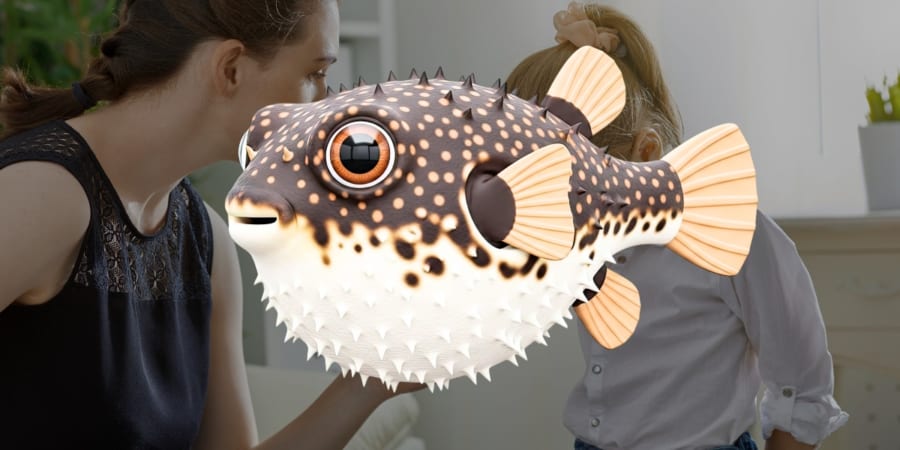
フグが免許を持つ人にしか調理を許されていないのは、「できる人はやればいい」としてしまうと、できない人まで手を出し、危険が広がるからです。
同じように、「きわめて強い自制心を前提にした体罰」もまた、「できる人はすればいい」で済ませるには危うい性質を持っています。
体罰はそれを受ける子供だけでなく、親の問題でもあると言えるでしょう。
参考文献一覧
- Atkinson, L., Khoury, J., Kenny, M., & Gonzalez, A. (2026). Is there experimental evidence for the effectiveness of disciplinary spanking? A review and meta-analysis of four controlled trials. Child Abuse & Neglect, 174, 107945. DOI: 10.1016/j.chiabu.2026.107945.
- Gunnoe, M. L., Larzelere, R. E., Ferguson, C. J., & Cox, R. B., Jr. (2025). An update on the scientific evidence for and against the legal banning of disciplinary spanking. Journal of the Canadian Academy of Child and Adolescent Psychiatry, 34(1), 1–9. PubMed/PMC: PMID 40969656.
- Afifi, T. O., Stewart-Tufescu, A., Gonzalez, A., & MacMillan, H. L. (2025). Legal banning of disciplinary spanking in Canada: Evidence and human rights – a response to Gunnoe and colleagues. Journal of the Canadian Academy of Child and Adolescent Psychiatry, 34(2), 3–4. PubMed/PMC: PMID 40959826.
- Kraus de Camargo, O. (2025). The need to consider more than evidence when justifying physical punishment. Journal of the Canadian Academy of Child and Adolescent Psychiatry, 34(2), 5–6. PubMed/PMC: PMID 40959828.
- Gunnoe, M. L., Larzelere, R. E., Ferguson, C. J., & Cox, R. B., Jr. (2025). More arguments for the weakness of the empirical evidence used to support spanking bans: Rejoinder to Afifi et al. (2025) and Kraus de Camargo (2025). Journal of the Canadian Academy of Child and Adolescent Psychiatry, 34(2), 7–11. PubMed/PMC: PMID 40969678.
- Gershoff, E. T., Goodman, G. S., Miller-Perrin, C. L., Holden, G. W., Jackson, Y., & Kazdin, A. E. (2018). The strength of the causal evidence against physical punishment of children and its implications for parents, psychologists, and policymakers. American Psychologist, 73(5), 626–638. DOI: 10.1037/amp0000327.
- Larzelere, R. E., Gunnoe, M. L., Ferguson, C. J., & Roberts, M. W. (2019). The insufficiency of the evidence used to categorically oppose spanking and its implications for families and psychological science: Comment on Gershoff et al. (2018). American Psychologist, 74(4), 497–499. DOI: 10.1037/amp0000461.
- Gershoff, E. T., Goodman, G. S., Miller-Perrin, C., Holden, G. W., Jackson, Y., & Kazdin, A. E. (2019). There is still no evidence that physical punishment is effective or beneficial: Reply to Larzelere, Gunnoe, Ferguson, and Roberts (2019) and Rohner and Melendez-Rhodes (2019). American Psychologist, 74(4), 503–505. DOI: 10.1037/amp0000474.
- Gershoff, E. T., & Grogan-Kaylor, A. (2016). Spanking and child outcomes: Old controversies and new meta-analyses. Journal of Family Psychology, 30(4), 453–469. DOI: 10.1037/fam0000191.
- Heilmann, A., Mehay, A., Watt, R. G., Kelly, Y., Durrant, J. E., van Turnhout, J., & Gershoff, E. T. (2021). Physical punishment and child outcomes: A narrative review of prospective studies. The Lancet, 398(10297), 355–364. DOI: 10.1016/S0140-6736(21)00582-1.
- Pritsker, J. (2021). Spanking and externalizing problems: Examining within-subject associations. Child Development, 92(6), 2595–2602. DOI: 10.1111/cdev.13701.
- Kang, J., & Rodriguez, C. M. (2025). Spanking and children’s approaches to learning: Estimates from a longitudinal matched-sample design. Behavioral Sciences, 15(5), 658. DOI: 10.3390/bs15050658.
- Cuartas, J., Weissman, D. G., Sheridan, M. A., Lengua, L., & McLaughlin, K. A. (2021). Corporal punishment and elevated neural response to threat in children. Child Development, 92(3), 821–832. DOI: 10.1111/cdev.13565.
- Cuartas, J. (2021). Corporal punishment and early childhood development in 49 low- and middle-income countries. Child Abuse & Neglect, 120, 105205. DOI: 10.1016/j.chiabu.2021.105205.
- Larzelere, R. E., Gunnoe, M. L., Pritsker, J., & Ferguson, C. J. (2024). Resolving the contradictory conclusions from three reviews of controlled longitudinal studies of physical punishment: A meta-analysis. Marriage & Family Review, 60(7), 395–433. DOI: 10.1080/01494929.2024.2392672
- Alampay LP, Godwin J, Lansford JE, Bombi AS, Bornstein MH, Chang L, et al. Severity and Justness Do Not Moderate the Relation Between Corporal Punishment and Negative Child Outcomes: A Multicultural and Longitudinal Study. International Journal of Behavioral Development. 2017;41(4):491-502. doi:10.1177/0165025417697852.
- Rodriguez CM, Silvia PJ, Lee SJ, Grogan-Kaylor A. Assessing Mothers’ Automatic Affective and Discipline Reactions to Child Behavior in Relation to Child Abuse Risk: A Dual-Processing Investigation. Assessment. 2022;29(7):1532-1547. doi:10.1177/10731911211020114.
- Gershoff ET, Goodman GS, Miller-Perrin CL, Holden GW, Jackson Y, Kazdin AE. The Strength of the Causal Evidence Against Physical Punishment of Children and Its Implications for Parents, Psychologists, and Policymakers. American Psychologist. 2018;73(5):626-638. doi:10.1037/amp0000327.
- de Camargo OK. The Need to Consider More Than Evidence When Justifying Physical Punishment. Journal of the Canadian Academy of Child and Adolescent Psychiatry. 2025;34(2):5-6. PMID:40959828.
- World Health Organization. Corporal punishment of children and health. Fact sheet. 2025 Aug 20.



























そもそもの話として、軽く小突く程度のモノは体罰ではない。痛みに伴う恐怖によってコントロールする事を『体罰』というのだ。
小学校の頃、ハイヒールで15分近く生徒に往復びんたをくらわした先生がいたな。
怒って生徒の服を破いたりとかもしていた。まあおかげで悪さをする生徒が余りいなく平和だった。高校の頃はキレると20分近くビンタを喰らわす名物教師がいた。
番外編で中学校の頃、教科書忘れると野郎のあそこを体罰名目で軽く叩く教師がいた。
一番の問題は、
体罰が大抵の場合、(実行者たる大人の)単なる悪感情の放出である
こと。
しかもその悪感情の放出が「しつけ」の美名をまとうことが圧倒的に多いんだよね。
体罰肯定派のこの論文で想定しているような、「理性的かつ合理的に、節度をもって子供に体罰を与えられる大人」は、現実には存在するかどうかも怪しい。
結局 体罰する内容の程度や善悪の判断が画一的に正しく定義できないんだから体罰の良し悪しは決定出来ないよね。
どれぐらいの罪でどれぐらいの刑なのが正しい答えが無いのと一緒
社会としては子供達に一番被害が出ない体罰否定派に流れるのは妥当で、
研究者が非難されないための無難な選択となり得る
幼少に親戚から虐待を受けたし習い事で指導者に怒鳴られまくった
20代になった今でも虐待をしてきた親戚と会うと脈が上がってしばらく気分が悪くなる
暴力、暴言によって不安や恐怖を極端に強く感じるようになったし失敗を過剰に恐れる人間になってしまった
打たれ弱い人間の出来上がり
認知のゆがみも深刻で生きづらさの原因となるスキーマをいくつも持ってしまっている
自分のように成人後もこうした経験の影響を引きずりかねないし乗り越えるのは困難を伴うから体罰研究は慎重に行ってほしい
体罰は安易に容認すべきでない 例えそれが子どもを軽く小突くようなものであったとしても
ストレス耐性のあるバケモノみたいなガチ障くらいしか適さないと思う